OUR INSTITUTION | RESEARCH
Climate, Air Pollution, Nature
and Urban Health

Our programme continued generating evidence on how climate change, air pollution, nature and urban environments affect health, with a focus on vulnerability, prevention, mitigation and adaptation.
Extreme heat.
2024 was the hottest year ever recorded, and its summer was also the warmest. We estimated that over 62,700 deaths were associated with Europe’s record-breaking summer heat – 23.6% higher than in the previous year (1). Many of these deaths occurred in southern Europe, and disproportionately affected women and older people. Our research further shows that, over the past two decades, Europe has adapted better to low temperatures than to high temperatures, highlighting the urgent need to strengthen heat adaptation strategies (2). In this context, our Forecaster.health early warning system proved highly reliable, issuing heat-health alerts at least one week in advance. The system now also includes air pollution health alerts for different regions and population groups by sex and age.
Air pollution, nature and urban environment.
Air pollution kills and sickens millions of people each year. Our studies showed that exposure to air pollution is associated with increased hospital admissions for lower respiratory infections, particularly among men, people over 65 and individuals with hypertension (3). Airborne bacteria also influence air quality. We developed a novel method to identify bacteria present in air almost in real time, which could help to assess health risks and better understand how microbes travel through air (4).
In Barcelona, we estimated that reducing traffic by 25% could lower NO2 levels by nearly 20% and prevent around 200 premature deaths annually (4). Similarly, greening one in every three streets could prevent 178 premature deaths each year (5).
We developed the Healthy Urban Design Index (HUDI) to evaluate 917 European cities based on 13 indicators related to urban design, sustainable transport, environmental quality and access to green spaces (6). The index provides a practical tool for identifying inequalities across neighbourhoods and supporting targeted interventions to improve urban health.
References
- Janos T et al. Nat Medicine. doi : 1038/s41591-025-03954-7
- Chen Z et al. Lancet Planet Health doi : 1016/S2542-5196(25)00048-8
- Alari A et al. Environ Int. doi : 1016/j.envint.2024.109230
- Fontal A et al. Atmos Meas Tech. doi : 10.5194/amt-18-7297-2025
- Ramos A et al. J Health & Place. doi: 1016/j.healthplace.2024.103406
- Iungman T et al. Environ Int. doi : 1016/j.envint.2025.109313
- Montana F et al. Lancet Planet Health doi : 1016/S2542-5196(25)00109-3
- Cvijanovic I et al. Commun Earth Environ. doi: 1038/s43247-025-02059-w
OUR INSTITUTION | RESEARCH
Environment and Health
Over the Lifecourse

In 2025, our programme generated important evidence on how environmental, social and behavioural factors shape health across the life course, from fetal development to ageing.
Brain structure and function in early life.
Several studies highlighted the effects of environmental exposures on early brain development and mental health. Our researchers found that air pollution exposure during pregnancy is linked to structural changes in the fetal brain (1) and slower brain maturation in newborns (2), while exposure during childhood is linked to reduced brain connectivity (3,4). In preadolescents and adolescents, extreme temperatures were shown to affect both brain connectivity (5) and mental health symptoms (6). Together, these findings emphasise the need to protect brain development during these particularly vulnerable stages.
Multiple exposures during childhood.
We advanced exposome research, providing new insights into how multiple environmental exposures affect children’s health. Clean air, access to natural spaces, healthy diets and strong social relationships were associated with lower inflammation (7), while exposure to urban environments during pregnancy influenced the risk of wheezing and respiratory infections in early childhood (8). Our multi-omics analysis on childhood obesity identified children at high risk for metabolic complications, as well as modifiable risk factors that could be targeted early in life (9).
Lung function throughout life.
Analysis across multiple cohorts suggests that lung function decline may begin as early as 20 – 25 years of age, and provides a new framework for assessing and promoting lung health throughout life (10).
Alzheimer’s disease drivers.
Our studies advanced understanding of neurodegenerative disease risk. Higher physical activity in midlife may help protect against Alzheimer’s disease (11), while major life stressors such as bereavement or financial hardship were associated with increased risk and changes in brain structure and disease
biomarkers, with effects varying by gender and educational level (12).
References
- Gómez-Herrera L et al. Lancet Planetary Health. doi: 1016/S2542-5196(25)00093-2
- Pujol J et al. Environ Int. doi :1016/j.envint.2025.109801
- Kusters et al. Environ Int. doi: 1016/j.envpol.2025.126078
- Kusters et al. Environ Pollut. doi : 1016/j.envpol.2025.126078
- Granés L et al. J Am Acad Child Adolesc Psychiatry. doi: 1016/j.jaac.2024.11.023
- Essers E et al. JAMA Netw Open. doi : 1001/jamanetworkopen.2024.56898
- Amine I et al. Environ Int. doi: 1016/j.envint.2025.109668
- Sinsamala RM et al. Environ Int. doi : 1016/j.envint.2025.109900
- Stratakis N et al. Nat Comm. doi :1038/s41467-025-56013-7
- García-Aymerich et al. The Lancet Resp Med. doi: 1016/S2213-2600(25)00043-8
- Akinci M et al. J Alz Assoc. doi : 1002/alz.70007
- Palpatzis E et al. Neurology. doi: 1212/WNL.0000000000213377
OUR INSTITUTION | RESEARCH
Global Viral and Bacterial
Infections
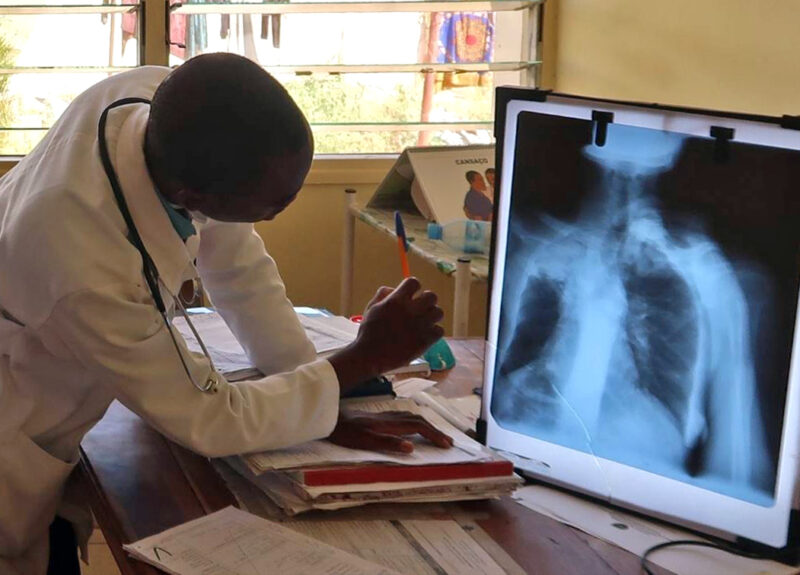
In 2025, our programme generated new knowledge and developed promising tools to reduce the burden of major viral and bacterial diseases.
Surveying antibiotic-resistant bacteria with a One Health approach.
In collaboration with Aigües de Barcelona, a study in Baix Llobregat evaluated the role of wastewater and drinking water treatment plants in the persistence and spread of antibiotic-resistant bacteria (1). The results confirm that drinking water is safe while highlighting the importance of monitoring resistant bacteria throughout the entire water cycle. In a separate study, we showed that bacteria in the air can now be identified almost instantly, without sample collection or laboratory processing, using a portable device that combines an ultraviolet laser and an AI system (2).
New antimicrobial agents.
Two potential antibiotics advanced in preclinical development. The first, a bicyclic peptide (PLP-3) entered national phases in the US, China and Europe. The second involves repurposing the antiretroviral elvitegravir as an antibiotic, with an international patent application published in 2025.
Advancing tuberculosis detection and prevention.
The EDCTP-funded Stool4TB project demonstrated that the Xpert MTB/RIF Ultra assay applied to stool samples can improve TB detection in people living with HIV who have difficulty producing sputum (3).
Monitoring SARS-CoV-2.
A three-year study of 113 healthcare workers in Catalonia showed that three doses of COVID-19 mRNA vaccine induce long-lasting antibody and memory B-cell responses (4). We also showed how prior infection versus vaccination shapes immunity (5) and how repeated vaccinations can bias antibody subclasses (6).
Accelerating screening and diagnosis in low-resource settings.
We launched the EU-funded ACROBAT-Newborns project with the aim to develop a rapid test using biomarkers to detect early signs of severe illness in newborns, enabling early risk stratification. In addition, a high-resolution ultrasound device developed with Spanish startup Kriba accurately detects suspected meningitis in newborns and infants, offering a potential non-invasive alternative to lumbar puncture (7).
Measuring the impact of social programmes.
A longitudinal study across 46 low- and middle-income countries showed that each 1% increase in social protection coverage reduced child mortality by 0.34%, wasting by 0.14%, and stunting by 0.29%. These effects were stronger during the pandemic, particularly among girls, preventing an estimated 583,590 deaths (8).
References
- Ballén V et al. Int J Hyg Environ Health, doi: 1016/j.ijheh.2025.114664
- Fontal A et al. Atmos Meas Tech. doi: 5194/amt-18-7297-2025
- Kasule G et al. Lancet Microbe. doi : 1016/j.lanmic.2025.101085
- Molinos-Albert L et al. Cell Rep. doi: 1016/j.celrep.2025.115498
- Ranzani O et al. Nat Commun. doi: 1038/s41467-025-67577-9
- Marín-Pérez C et al. J Infection. doi: 1016/j.jinf.2025.106473
- Ajanovic S et al. Pediatr Res. doi: 1038/s41390-025-04179-7.
- Landin Basterra E et al. eClinicalMedicine. doi: 1016/j.eclinm.2025.103414
OUR INSTITUTION | RESEARCH
Malaria and Neglected
Parasitic Diseases
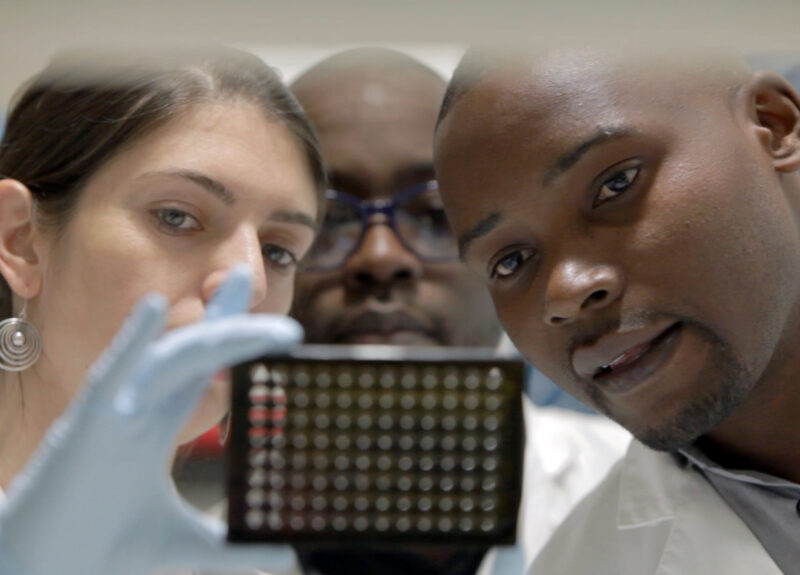
From understanding parasite biology to implementing trials in the field, our programme is contributing to the fight against malaria and other poverty-related diseases.
Parasite biology and host interaction.
We advanced understanding of how DNA sequences in P. falciparum regulate key genes involved in immune evasion and transmission (1), and identified a potential drug target – an essential parasite enzyme that differs from its human counterpart (2). To better study parasite-host interactions, we developed an organ-on-chip technique with micropores that more accurately simulates bone marrow infection by P. vivax (3).
Diagnostic tools.
In Paraguay, we showed that combining rapid diagnostic tests with confirmatory serology facilitates Chagas disease diagnosis in resource-limited areas (4). We identified biomarkers in blood that distinguish between severe and uncomplicated malaria in children (5), and developed a new sensor that detects a P. falciparum protein in a drop of blood within minutes, offering a promising point of care diagnostic tool (6). We also launched two projects: MultiplexAI, to develop a mobile, AI-powered tool for fast and affordable diagnoses of parasitic diseases; and ACROBAT-Newborns, to validate a rapid test to identify newborns at high risk of severe illness.
Disease control.
Malaria remains a major killer in sub-Saharan Africa. In countries such as Gabon, disruptions to control programmes during the COVID-19 pandemic led to a resurgence of cases (7). Rising insecticide resistance and changes in mosquito feeding behaviours further challenge control efforts. Results from the BOHEMIA trial in Kenya show that. community-wide administration of ivermectin, alongside bednets, significantly reduced malaria infections in children (8). By killing mosquitoes that feed on treated individuals, the drug offers a complementary vector control approach. Another valuable strategy in areas with low malaria transmission is preventively treating household members and neighbours of each new malaria case. Modelling in northern Senegal indicates that this greatly reduces- but does not eliminate- transmission (9).
Neglected diseases.
We reported the first documented cases of Noma in Mozambique, a devastating yet treatable disease linked to extreme poverty (10).
Rethinking global health partnerships.
A reflection led by our researchers highlights the transformative power of equitable research partnerships in global health (11).
References
- Pérez-Cantero A et al. PLoS Path. doi: 1371/journal.ppat.1013137
- Alberione MP et al. PLoS Path. doi: 1371/journal.ppat.1012832
- Caires HR et al. Small Methods. doi : 1002/smtd.202500652
- Ardiles-Ruesjas S. et al. PLoS NTDs. doi : 1371/journal.pntd.0012861
- Varo R et al. Sci Rep. doi : 1038/s41598-025-98154-1
- Yang Q et al. Biosens Bioelecton. Doi : 1016/j.bios.2025.117152
- Roeder F et al. Int J Epidemiol. doi : 1093/ije/dyaf140
- Chaccour C et al. NEJM. doi : 1056/NEJMoa2411262
- Ferriss EL et al. Mala J. doi : 1186/s12936-025-05245-5
- Ribes M et al. BMJ Glob Health. doi : 1136/bmjgh-2025-020859
- Mayor A et al. BMJ Glob Health. doi: 1136/bmjgh-2024-017602
OUR INSTITUTION | RESEARCH
Maternal, Child and Reproductive
Health Programme
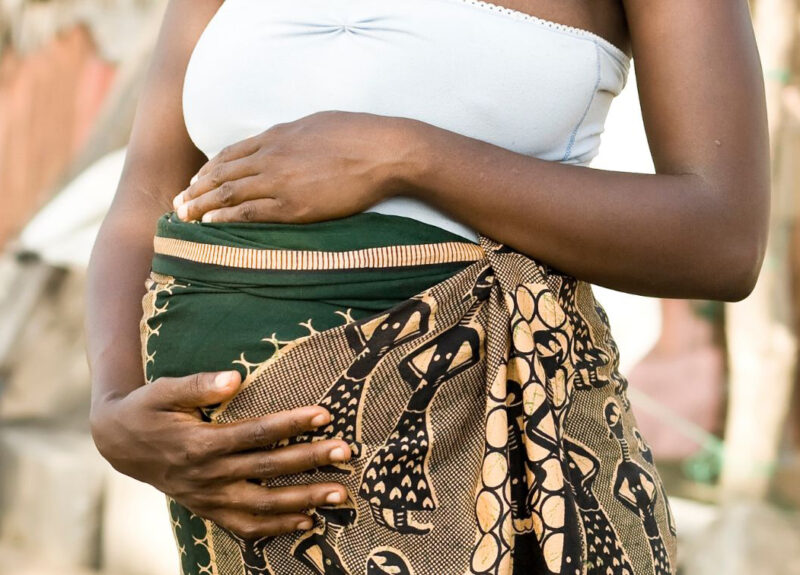
Protecting mothers.
New treatments are only effective if people adhere to them. In Manhiça, we showed that a new preventive malaria treatment (DHA-PPQ) for pregnant women living with HIV is well accepted, thanks to high levels of trust in healthcare professionals- trust that can be leveraged to further support health interventions (1).
Protecting babies.
Another study, also in Mozambique, found that the pneumococcal vaccine provides indirect protection to unvaccinated newborns. Five years after introduction of the PCV10 vaccine, cases of pneumococcal disease in unvaccinated infants fell by 87%, demonstrating how the benefits of childhood immunisation extend beyond those vaccinated (2). In Sierra Leone we launched the SafeStart project to evaluate how best to integrate the RTS,S malaria vaccine into routine immunisation, ensure that it reaches every child who needs it, and assess its impact on malaria burden.
References
- Nhampossa T et al. BMC Public Health. doi :1186/s12889-025-22644-0
- Massora S et al. Pediatr Infect Dis J. doi: 1097/INF.0000000000004638