HIGHLIGHTS
Earlier, Faster, Easier
We advanced innovative tools to improve detection of high-burden diseases in vulnerable populations
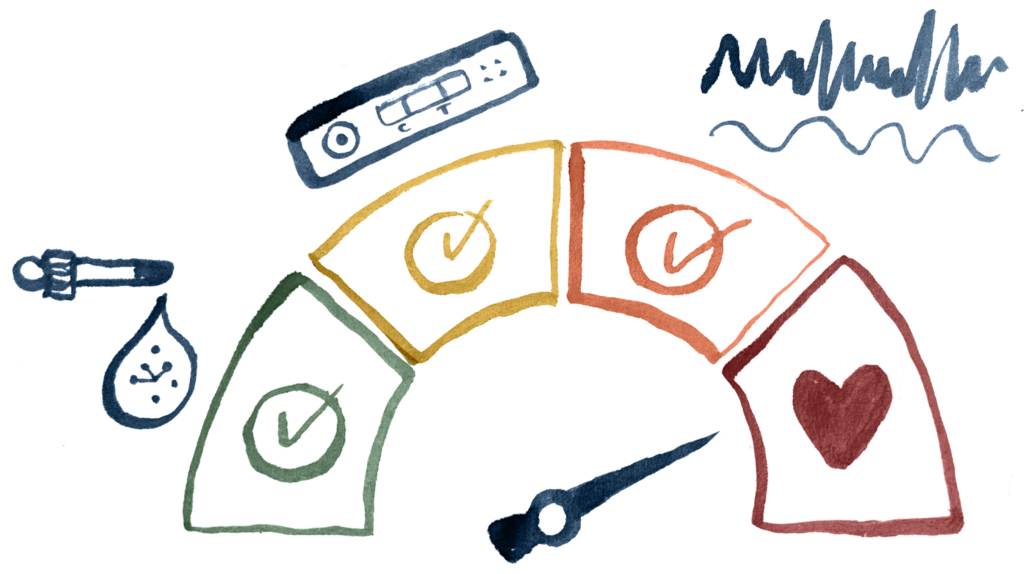
What saves lives in low-resource settings is often not a new drug, but a simpler, quicker way to diagnose. In 2025, we published research on three new diagnostic or screening tools designed for the realities of low-resource settings: non-invasive, affordable and scalable.
Earlier
In Mozambique, where malaria remains a major cause of illness and death in children under five, a study led by Alfredo Mayor and Quique Bassat identified molecules in blood that distinguish severe from non-complicated cases. Children who progressed to severe malaria showed higher levels of a parasite-derived protein along with other host molecules. “These biomarkers pave the way for tools to identify children at higher clinical risk, guide treatments, and improve patient outcomes,” says Mayor.
Faster
A landmark study in Paraguay, led by Julio Alonso-Padilla and Irene Losada, shows that rapid tests can facilitate Chagas disease diagnosis in communities with limited resources. Traditionally, detection relies on serology (looking for antibodies to the T.cruzi parasite in blood), which requires specialised equipment and time. During a two-week campaign, the research team screened nearly 1,000 people in an indigenous community using rapid diagnostic tests and confirming positives with serology. The approach proved highly effective, validating the strategy proposed by Paraguayan authorities. “The adoption of RDT-based algorithms could improve access to diagnosis for thousands of people in remote areas,” says Losada.
Easier
A portable, easy-to-use device could transform the diagnosis of meningitis in newborns and infants, especially in low-resource settings. Meningitis can be fatal if not diagnosed and treated early, yet its detection requires a lumbar puncture —an invasive procedure with risks and practical limitations. The NEOSONICS device uses high frequency ultrasound through the baby’s skull to visualise and analyse cerebrospinal fluid. In a study with over 200 newborns in Spain, Morocco and Mozambique, it correctly classified 17 out of 18 meningitis cases. “This non-invasive tool could reduce unnecessary antibiotic use, prevent complications associated with lumbar puncture, and improve early diagnosis and treatment,” explains Quique Bassat, whose team developed the device in collaboration with the Spanish startup Kriba.
By developing tools that are rapid, low-cost and easy to use, our research is helping health services detect high-burden diseases earlier, treat patients faster and ultimately reduce avoidable deaths among the most vulnerable populations.
References
Ardiles-Ruesjas S et al. Prevalence and diagnostic accuracy of different diagnostic tests for Chagas disease in an indigenous community of the Paraguayan Chaco. PLoS Neglected Tropical Diseases, 2025. Doi: 10.1371/journal.pntd.0012861
Varo R et al. Host biomarkers and parasite biomass are associated with severe malaria in Mozambican children: a case–control study. Sci Rep. 2025. Doi: 10.1038/s41598-025-98154-1
Ajanovic S et al. Non-Invasive Meningitis Screening in Neonates and Infants: Multicentre International Study. Pediatr Res. 2025 Doi: 10.1038/s41390-025-04179-7
HIGHLIGHTS
From the Womb
We provided solid evidence that the health impact of air pollution starts very early in life
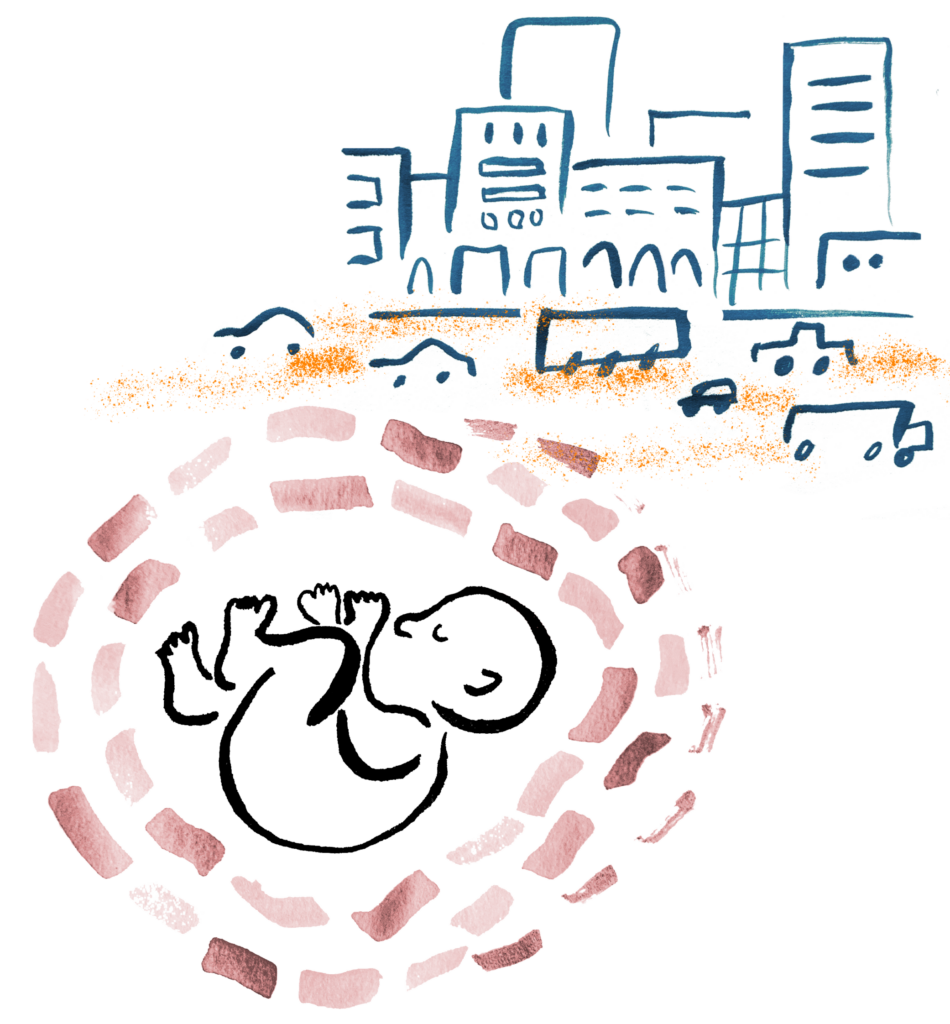
The placenta has traditionally been viewed as a protective barrier, safeguarding the developing fetus from harmful environmental exposures. But our research is providing a growing body of evidence suggesting that this shield is more permeable than once believed.
Traces in the developing brain
In collaboration with several Barcelona hospitals, Jordi Sunyer’s and Payam Dadvand’s teams examined how air pollution affects fetal brain structure during pregnancy. The study analysed 754 mother–fetus pairs participating in the Barcelona Life Study Cohort (BiSC), using transvaginal neurosonography to capture detailed images of the brain in utero. For each mother, exposure to NO₂, particulate matter (PM), and black carbon was estimated at home, at work, and along commuting routes.
Higher exposure to air pollution was associated with changes in the morphology of several brain structures. These associations were particularly strong if the mother was exposed during the second and third trimesters. “This is when the fetal brain enters a key phase of its development, making it particularly vulnerable to external factors such as pollution,” explains co-author Payam Dadvand.
It’s not only about structure. In another study conducted with Hospital del Mar, ISGlobal researchers found that greater maternal exposure to fine particulate matter (PM2.5) during pregnancy was associated with lower levels of brain myelination in newborns. Myelination- the process by which nerve fibers are coated with a protective sheath- is essential for efficient brain signaling and maturation. Slower myelination may signal subtle delays in early brain development.
Lower birthweight, more prematurity
Air pollution’s imprint was not limited to the brain. An analysis of more than two million births across Spain found that exposure to higher concentrations of particulate matter (PM2.5 and PM10) during pregnancy was associated with significantly lower birthweight and a higher risk of preterm birth. The associations were strongest among babies born to mothers with lower educational levels, particularly those living in socioeconomically disadvantaged areas. “Our results underscore the need for policies to reduce exposure to particulate matter among pregnant women, especially in socially vulnerable contexts,” notes lead author Mònica Guxens.
A link to childhood obesity
The effects may also extend into later childhood, as Martine Vrijheid’s team showed. A pan-European meta-analysis conducted with more than 30,000 mother–child pairs across 10 birth cohorts in eight European countries, found that children whose mothers were exposed to higher levels of PM2.5 during pregnancy had a 23% increased risk of overweight or obesity. The association was strongest among children aged 9 to 12 years.
Small Effects, Big Implications
The observed effects at the individual level are small. Yet at the population level, where exposure to air pollution is widespread, even modest shifts in risk can translate into substantial public health consequences. The children participating in these cohorts continue to be followed to determine whether early-life exposures have long-lasting health effects.
Altogether, this body of research reinforces a clear message: environmental health begins before birth. Reducing air pollution is not only about protecting lungs or preventing chronic disease later in life- it is about safeguarding development at its most vulnerable stage.
References
Gómez-Herrera L, et al. Air pollution and foetal brain morphological development: a prospective study. The Lancet Planetary Health. 2025. Doi: 10.1016/S2542-5196(25)00093-2
Pujol J, et al. Unraveling the impact of prenatal air pollution for neonatal brain maturation. Environ Int. 2025. Doi: 10.1016/j.envint.2025.109801.
Guxens M, et al. Particulate matter exposure during pregnancy and birth outcomes: exposure windows of susceptibility and socioeconomic inequalities. Eur J Epidemiol. Doi: 10.1007/s10654-025-01274-1
Warkentin S, et al. Ambient air pollution and childhood obesity from infancy to late childhood: An individual participant data meta-analysis of 10 European birth cohorts. Environ Int. 2025. Doi: 10.1016/j.envint.2025.109527
HIGHLIGHTS
Liver Health in Focus
We’re shaping a global public health agenda —grounded in equity, informed by data, and enriched by engagement
Chronic liver disease (CLD) is a growing public health threat. Many countries are off track to meet the 2030 viral hepatitis targets, liver-related deaths are rising, and metabolic dysfunction-associated steatotic liver disease (MASLD) now affects approximately 1 in 3 adults worldwide. Yet around 90% of these cases remain undiagnosed, even among people with obesity or type 2 diabetes. In response, ISGlobal’s Public Health Liver Group (PHLG), led by Jeffrey V Lazarus, has been working to ensure liver health is firmly embedded within broader public health and NCD frameworks.
On the world stage
In early 2025, the PHLG launched the Global Metabolic Health Roundtable (GMHR) Series, convening stakeholders from 70 countries to define regional priorities and shape the global metabolic health agenda, including a call for a World Health Assembly resolution on steatotic liver disease. It then brought liver health to key global platforms: a policy side-event alongside the UN General Assembly High-Level Meeting on NCDs and Mental Health, a dedicated session at the World Health Summit, and a coordinated editorial published simultaneously in three major society journals. Together, these efforts strengthened global recognition of MASLD and led to an invitation to support a joint statement at the WHO Executive Board Meeting on February 2026.
The PHLG also launched the Global Think-tank on Steatotic Liver Disease website, translating evidence into accessible analysis and explainers, and held the first flagship event at the Palau Macaya. “The future of the fight against liver disease lies in prevention, active case finding and linkage to care” says Lazarus.
No place like home
Building on this momentum, the group developed a policy brief focused on Spain, where an estimated eight million people are currently living with liver disease, a number projected to grow without earlier intervention. In Barcelona, they mapped “NCD risk zones” linked to alcohol consumption, smoking and limited access to healthy food, providing an evidence base for targeted measures such as urban planning for healthier lifestyles.
Finally, the team launched the “A plena vista” campaign, for a better integration of liver health into HIV services across Spain. People living with HIV face a higher risk of steatotic liver disease, making coordinated care essential.
Finishing what they started
Equity remains central to these efforts. Viral hepatitis B and C continue to disproportionately affect migrants and refugees in Europe. “Through the VH-COMSAVAC project, we showed that community-based screening of migrant populations is both feasible and cost-effective, and helps reduce barriers to care,” says researcher Camila Picchio. The EU co-funded initiative identified nearly 100 people living with undiagnosed viral hepatitis, giving each a better chance of avoiding liver cancer through early diagnosis and linkage to care.
From the global arena to the community level, the goal is clear: to make liver health visible, integrated and equitable at every stage, from prevention to care.
References
Lazarus JV, et al. A call for doubling the diagnostic rate of at-risk metabolic dysfunction-associated steatohepatitis. Lancet Reg Health Eur, 2025. Doi: 10.1016/j.lanepe.2025.101320
Lazarus JV, et al. The People-First Liver Charter. Nat Med. 2025. Doi : 10.1038/s41591-025-03759-8
Lazarus JV, et al. A call to action to address the steatotic liver disease public health threat in Barcelona. Lancet Reg Health Eur. 2025 Doi: 10.1016/j.lanepe.2025.101272
Ivancovsky Wajcman D, et al. Prioritising viral hepatitis elimination to prevent hepatocellular carcinoma: A public health approach for effective preventive hepatology. JHEP Rep. 2025. Doi: 10.1016/j.jhepr.2025.101436
Pascucci D, et al. Monitoring and evaluation of community interventions for viral hepatitis among migrants and refugees: a Delphi-based study. J Glob Health. 2025. doi: 10.7189/jogh.15.04335.
HIGHLIGHTS
The Cost of Defunding
We estimated lives saved by international aid in the first two decades of the century and modelled the human cost of funding cuts, elevating the global debate on health financing
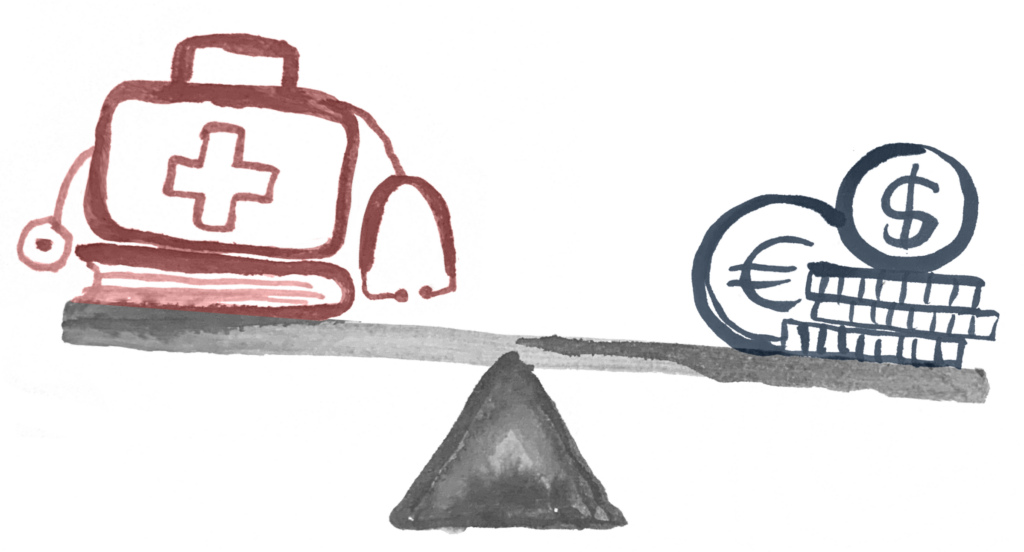
“The perfect is the enemy of good”, wrote Voltaire. Development aid may not be perfect, but it remains one of the most effective ways to save lives worldwide. Cutting it is short-sighted and carries devastating consequences.
Research by Davide Rasella and his IMPACThealth team estimates that USAID funding prevented 91 million deaths between 2001 and 2021 in low-and middle-income countries. Yet drastic foreign aid cuts announced by the Trump administration could reverse this progress, potentially resulting in more than 14 million additional deaths by 2030.
The retrospective analysis, using data from 133 countries, found that USAID-supported programs were associated with a 15% reduction in all-cause mortality and a 32% reduction in deaths among children under five, with the strongest impact on HIV/AIDS, malaria, and neglected tropical diseases. “USAID funding has been an essential force in saving lives and improving health outcomes in some of the world’s most vulnerable regions,” says Daniella Cavalcanti, Postdoctoral Researcher at the Institute of Collective Health and first author of the study.
Using forecasting models, the team projected that aid cuts could lead to a sharp rise in preventable deaths- up to 700,000 extra child deaths per year. “For many low- and middle-income countries, the resulting shock would be comparable to a global pandemic or a major armed conflict,” says Rasella.
The US is not alone. For the first time in nearly 30 years, France, Germany, and the UK have also reduced their Official Development Assistance (ODA). A second study by Rasella’s team has evaluated the impact. “Altogether, these cuts could lead to more than 22 million additional deaths by 2030, including 5.4 million children under five,” says co-author and PhD student Gonzalo Barreix.
From research to global dialogue
Both studies triggered massive media attention, with over 2,000 mentions across 100 countries, including CNN, The New York Times, The Washington Post, BBC, The Guardian, and Le Monde, raising public awareness and influencing policy discussions. Rasella was invited to discuss the findings at the European Parliament’s Committees on Development (DEVE) and Health (Sante).
The research was also presented at the 4th International Conference on Financing for Development (FFD4) in Seville, Spain, where our Policy and Advocacy teams co-organised the special event “Health financing for a safe and sustainable economy: towards a Sevilla health financing agenda for action” alongside UNAIDS, the World Health Organization (WHO) and the Government of Spain. Spain’s Foreign Affairs Minister, José Manuel Albares, concluded by stating the obvious: “Investing in health is not only fair, it’s also smart.”
References
Cavalcanti D et al. Evaluating the Comprehensive Impact of Two Decades of USAID Interventions and Forecasting the Effects of Defunding on Mortality up to 2030. The Lancet. June 2025. Doi: 10.1016/S0140-6736(25)01186-9
da Silva AF et al. Impact of two decades of humanitarian and development assistance and the projected mortality consequences of current defunding to 2030: retrospective evaluation and forecasting analysis. The Lancet Global Health. Feb 2026. Doi: 10.1016/S2214-109X(26)00008-2
Rasella D, et al. Global health after USAID cuts – Authors’ reply. Lancet. 2025. doi: 10.1016/S0140-6736(25)02203-2.